House Renovation Made Straightforward: A In-Depth Guide for Homeowners
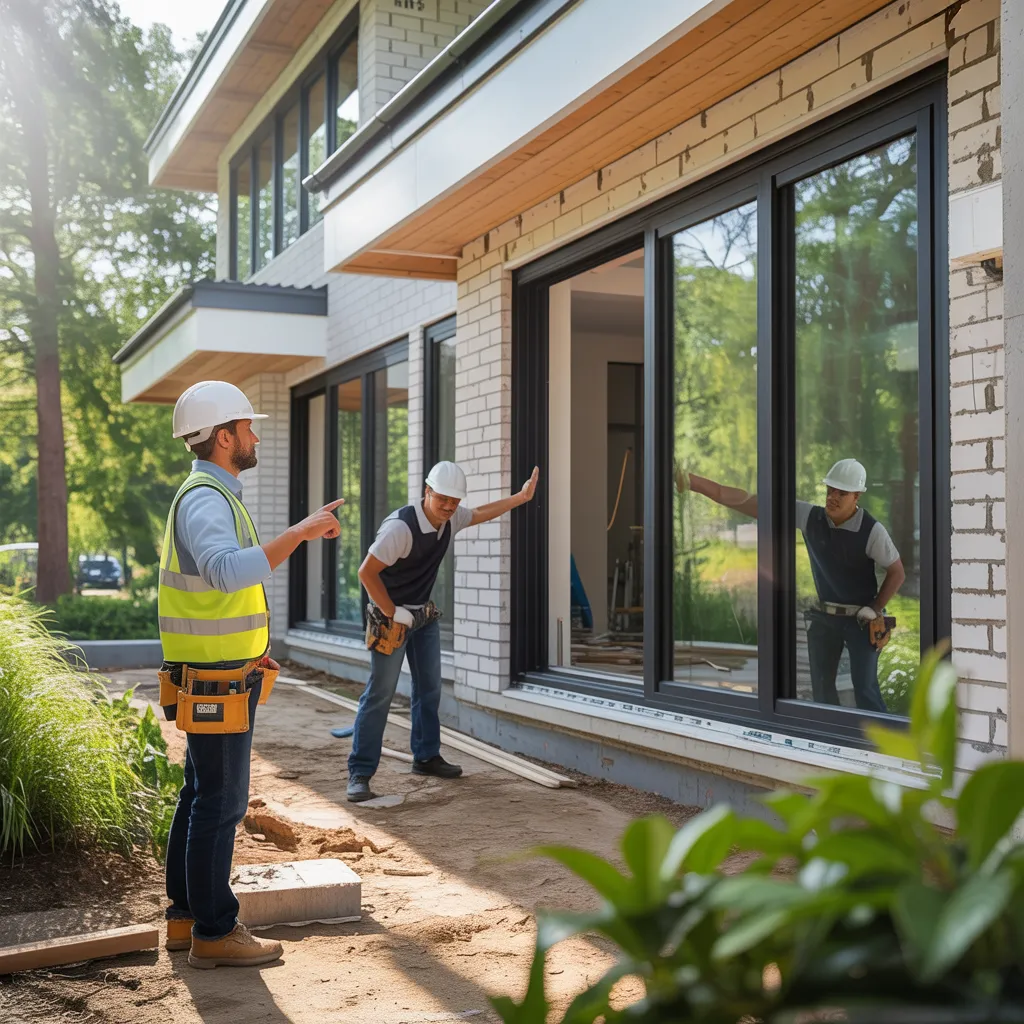
Home remodeling can pose an daunting task for many property owners. Recognizing one's needs and establishing realistic goals is crucial. A well-organized approach can make the process easier and more productive. This guide offers helpful information into financial planning, design, and selecting the right supplies. Property owners may find themselves contemplating the best strategies for handling these challenges. What essential steps should they evaluate to ensure a successful transformation of their living spaces?
Examining Your Requirements and Desired Outcomes
When evaluating their needs and goals for home renovation work, homeowners often wonder where to begin. The initial action encompasses a thorough assessment of their actual home state and desired outcomes. Homeowners should consider targeted spaces that require improvement, such as outdated kitchens, insufficient storage, or inadequate living space. Pinpointing these issues can help order projects based on urgency and necessity.
In addition, property owners should think about their future plans. Are they looking to enhance comfort, increase property value, or establish a more practical space for family gatherings? Understanding these priorities will guide the renovation process and guarantee that the finished product aligns with their expectations.
In addition, gathering input from family members can be useful, as different perspectives may bring to light supplementary needs or desires. By taking effort to evaluate their goals and needs, homeowners can establish a solid foundation for a successful renovation project.
Developing a Attainable Budget
Establishing a realistic budget is important for a effective renovation project. Homeowners should commence by estimating project costs, considering materials, labor, and design elements. Additionally, allocating contingency funds can help manage unexpected expenses that may arise during the remodeling process.
Determine Project Budget
A solid grasp of project costs is vital for homeowners embarking on a renovation project. To precisely calculate costs, they should consider elements including supplies, labor, licenses, and unexpected problems. Researching local market rates for supplies and engaging professionals can offer a more transparent budget overview. Property owners should also account for the size and complexity of the undertaking, as these elements significantly impact expenses. Developing a detailed list of required materials and services will help in gathering quotes. It is recommended to obtain several estimates from contractors to ensure competitive pricing. By establishing a clear estimate that aligns with their financial capabilities and renovation objectives, homeowners can establish a practical spending plan, ultimately leading to a more seamless remodeling experience.
Designate emergency budget for surprise spending
Calculating project costs creates the basis for sound budgeting, but property owners must also take into account unexpected expenses that may occur during a remodeling project. A typical suggestion is to set aside a contingency fund, usually spanning from 10% to 20% of the total budget. This allocation serves as a financial buffer, allowing property owners to handle unexpected problems such as structural repairs or cost escalations without disrupting the entire project. By planning for these possible expenses in advance, homeowners can exercise better management over their finances and reduce stress throughout the renovation timeline. Ultimately, a well-prepared budget that includes contingency funds enhances the probability of a successful and satisfying renovation experience.
Arranging Your Room
How can dwellers proficiently organize their room to reflect their personal style while maximizing functionality? To accomplish this, they should start by reviewing their needs and habits. Understanding how each room will be occupied guides the overall organization and flow. Homeowners might contemplate establishing compartments for separate purposes, confirming that busy zones remain clear and usable.
Adding elements that reflect distinctive taste, such as color arrangements, furniture styles, and decorative accents, allows for a unique expression without sacrificing practicality. Additionally, integrating multifunctional furniture can enhance functional capacity, especially in confined areas.
Natural light acts as another essential component; optimizing natural windows or incorporating mirrors as reflective elements can produce a more attractive atmosphere. In summary, property owners must address sizing and balance, assuring that decor items enhance the space's scale while maintaining an well-arranged presentation. By means of combining visual appeal with intentional design, homeowners can shape a balanced home setting customized to their preferences.

Deciding on Materials selections and Finishes
When choosing materials and finishes, property owners should emphasize both visual attractiveness and durability to ensure their choices endure the test of time. The selection process begins with understanding the desired aesthetic of the space, as different materials can evoke varied atmospheres. For instance, natural wood can deliver warmth, while sleek metals may provide a modern edge.
Property owners should also evaluate the upkeep needs of each material. Some surfaces may demand more maintenance than others, affecting long-term satisfaction. Additionally, financial limitations are essential; choosing high-quality yet cost-effective options can result in lasting value.
Sustainability is growing increasingly important, prompting many to pick eco-friendly materials that minimize environmental impact. Finally, homeowners should obtain samples to visualize how chosen materials will work with lighting and existing elements in the space. This hands-on approach aids in making informed decisions that align with both personal style and practical needs.
Hiring the Right Team Members
For a prosperous remodeling project, homeowners must thoroughly evaluate the qualifications and experience of professionals hired to guarantee quality workmanship. Comparing cost estimates from various service providers helps with making informed financial decisions. Finding the right expertise by following these crucial steps remains important for successful home renovation.
Evaluating Skills and Experience
Choosing the appropriate professionals for a home remodeling project requires careful consideration of their qualifications and expertise. Homeowners should begin by confirming credentials, ensuring that contractors possess the required permits and credentials relevant to the project. Additionally, reviewing a collection of past work can provide insight into a professional's style and quality of workmanship. It is also beneficial to request testimonials from previous clients to gauge satisfaction and dependability. Experience in specific kinds of renovation, such practical guide as kitchen or bathroom remodels, can be vital; experts often have the advanced skills needed for complex tasks. Finally, a comprehensive evaluation of qualifications and expertise will help homeowners choose contractors who can successfully execute their plan while adhering to industry standards.
Reviewing Expense Estimates Competently
Evaluating price quotes is an important step in the selection procedure for residential renovation projects. Homeowners should gather estimates from several contractors to guarantee a thorough comparison. Each estimate should outline labor, materials, and any extra fees, allowing for an precise comparative analysis. It is essential to assess not only the total cost but also the scope of work included in each estimate. Homeowners must be wary of significantly reduced bids, as they may indicate inadequate quality or undisclosed expenses. Engaging in discussions with contractors about their estimates can offer insights into their reasoning and openness. Ultimately, choosing a contractor should balance cost and the value of quality workmanship, fostering a prosperous renovation outcome.
Comprehending the Remodeling Procedure
Although the renovation process can appear overwhelming, homeowners can achieve success by following several key steps. To begin, they should formulate a clear direction for their project, outlining desired outcomes and particular features. Following this, establishing a feasible budget is important, factoring in materials, labor, and surprise costs. Examining and hiring experienced professionals can make a real difference; homeowners should ask for recommendations and examine reviews before making their decision.
Once a contractor is selected, effective communication is essential. Homeowners should talk about timelines, project scope, and any concerns upfront to prevent misunderstandings. During the remodeling phase, frequent touchpoints with the contractor will help guarantee that the project stays on track and adheres to the agreed-upon plan. Finally, being adaptable to changes, whether due to unexpected issues or new ideas, can enhance the overall experience, leading to a successful and satisfying remodeling outcome.
Commonly Asked Information
How Long Does a Standard Home Renovation Project Require?
A typical home remodeling project typically takes anywhere from a few weeks to several months, based on the scope of work, home dimensions, and any unexpected issues that may occur during the process.
What Permits Are Mandatory for Home Remodeling?
Upgrading your home typically involves obtaining various permits, like building, electrical, plumbing, and zoning permits. The specific requirements are determined by local codes and the project's scope, confirming respect for safety and construction standards during construction work.
What Are the Best Ways to Minimize Interruptions During Remodeling?
To minimize disruptions during renovation, one should develop a detailed schedule, coordinate with contractors, create designated work zones, and advise family members about schedules. This coordination helps maintain normal patterns and lowers anxiety throughout the project.
What Should I Do if I Overspend on My Budget?
If a budget is overrun, he should examine the factors, prioritize necessary adjustments, and explore potential cost-saving measures. Transparent communication with contractors and seeking alternative materials can also help realign finances with project goals.
How Can I Ensure High-Quality Craftsmanship?
To secure quality workmanship, it is important to research and hire trustworthy contractors, check references, review past projects, and set up clear communication concerning expectations, timelines, and materials. Consistently tracking progress also supports maintaining high standards throughout the project.